Volver atrás

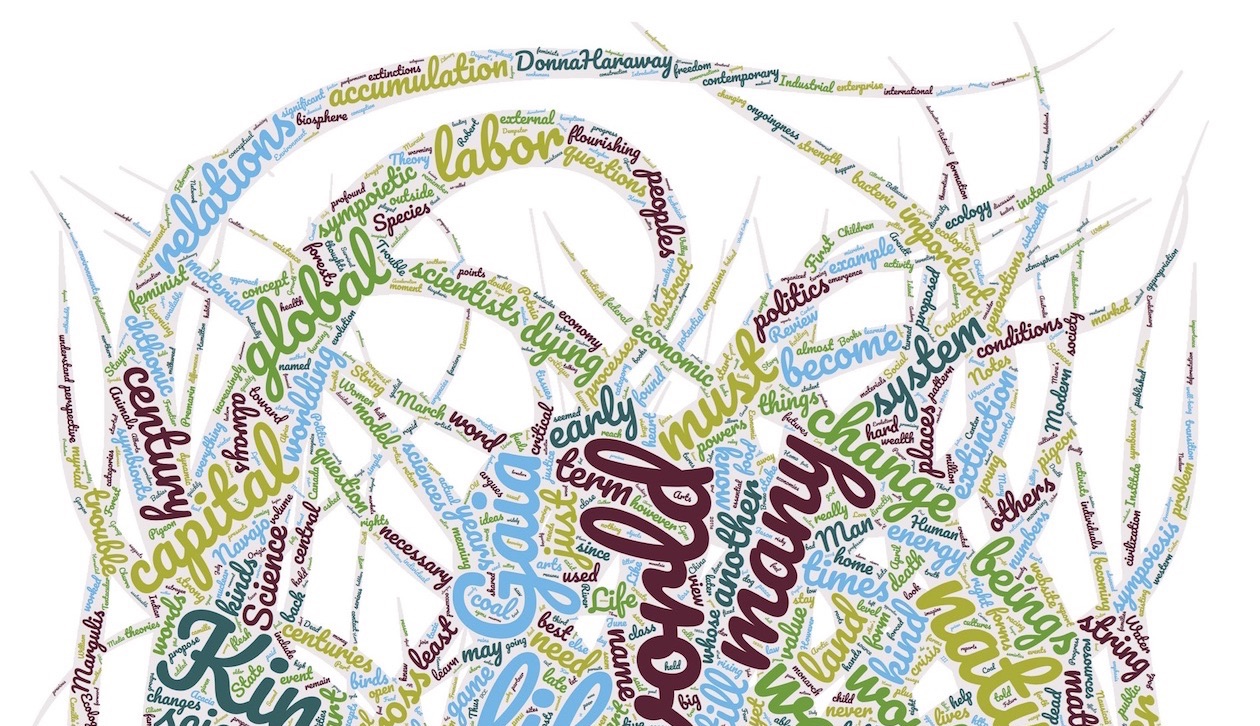
Tentacular Lexicon

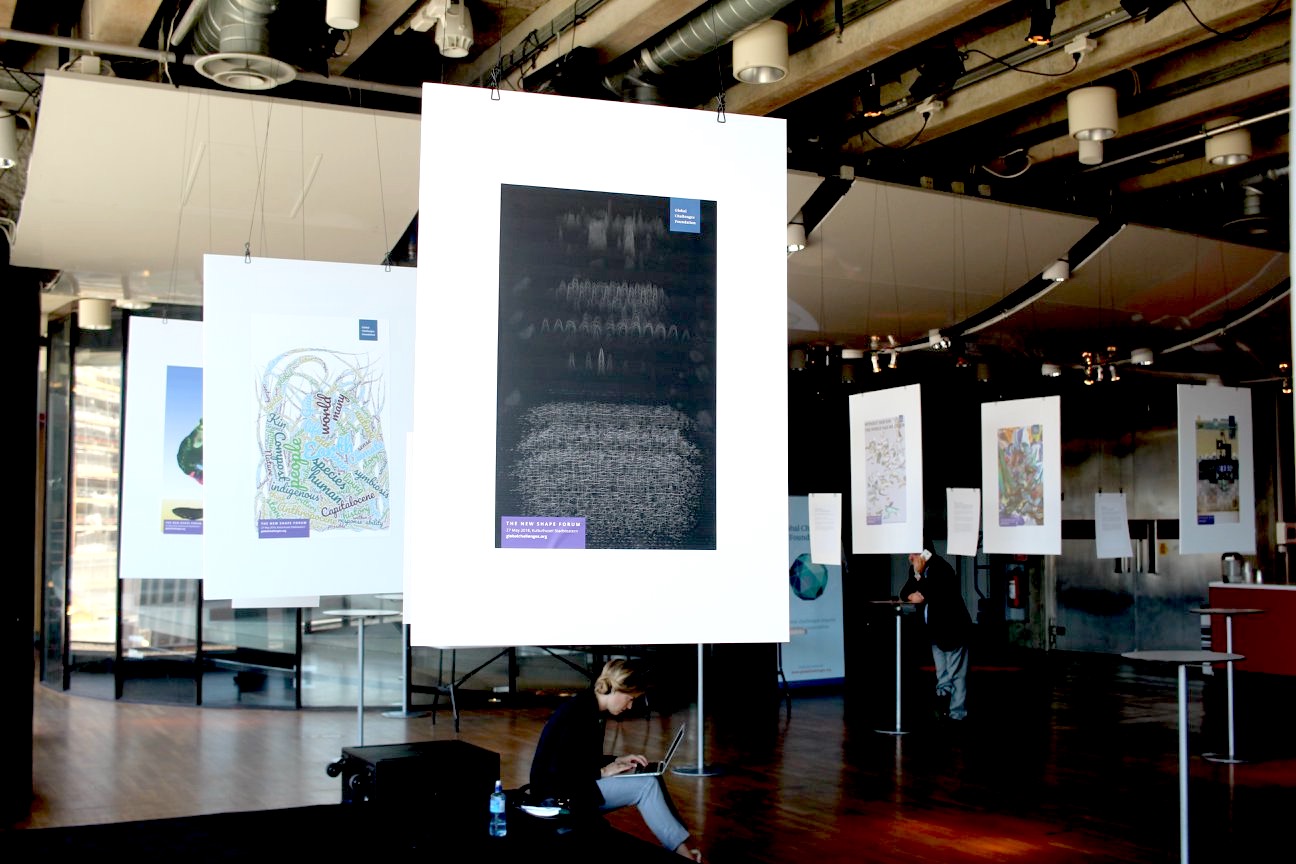
Tentacular Lexicon was a commission for the exhibition ‘Facing the Anthropocene’, a call to seven international artists to reflect on, and produce visual responses and a street guerrilla strategy to the questions the Earth is facing. It was curated by Carlota Mir and it included the works of Mari Bastashevski, Robel Temesgen, Marian Garrido, Han Sungpil, Grupo TOMA, Pinar Yoldas and Pablo DeSoto.

With a meteoric rise in recent years as one of the academic terms that define our contemporaneity, the Anthropocene is today a mega-concept whose hegemony is difficult to escape. The Holocene was left behind, current geological epoch is defined by the effects of human activity from the bedrock to the limits of the stratosphere. Overwhelming global data evidences that atmospheric, geologic, hydrologic, biospheric and other Earth system processes are now altered by humans. Capturing public imagination in the natural sciences, the humanities and the arts, the Anthropocene has moved quickly from a proposal on the geological periodization of the planet to a multidisciplinary conversation of wide range generating new research projects, books, academic journals, doctoral theses, seminars, art exhibitions and cultural programs worldwide.

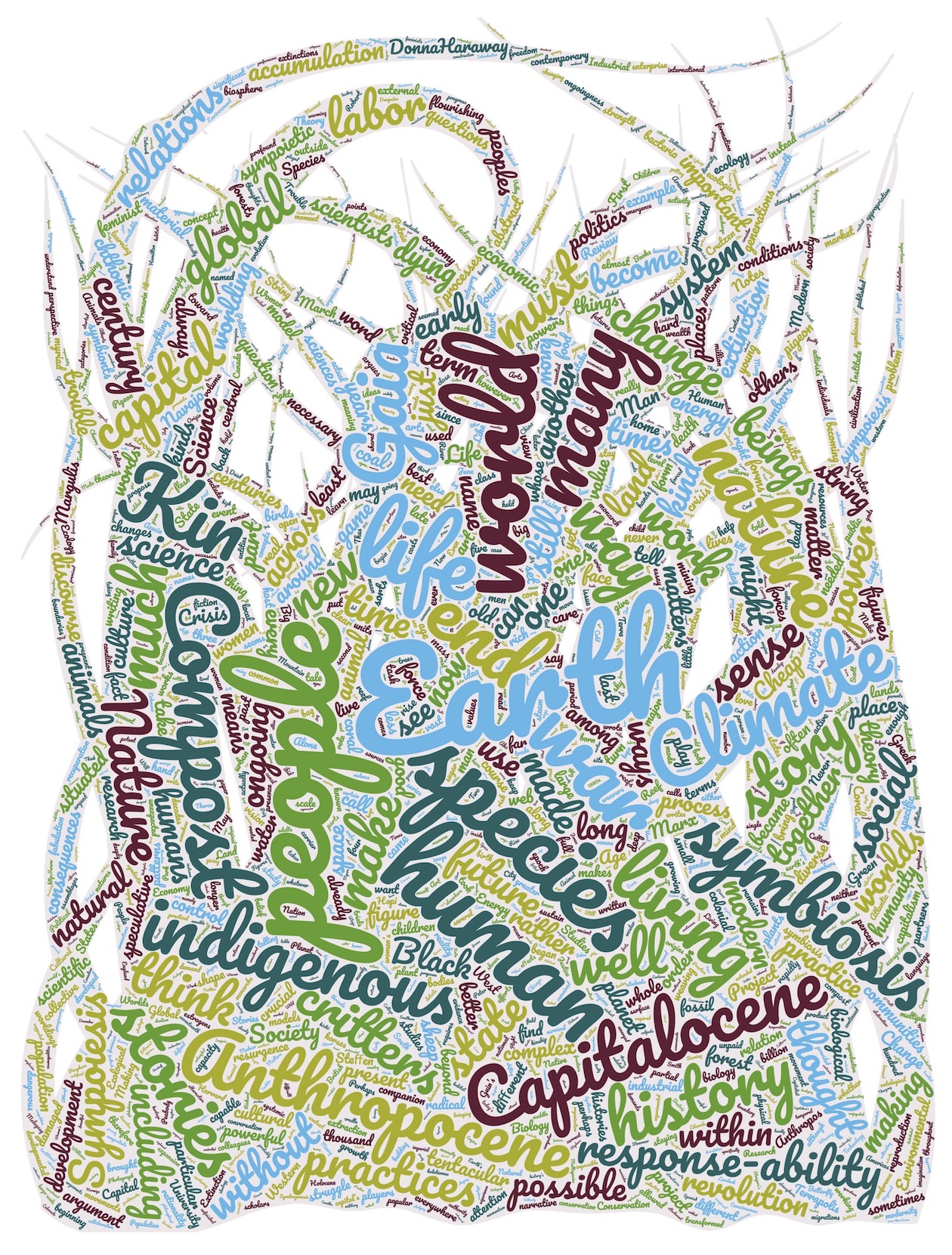
Diving into that emerging interdisciplinary framework, «Tentacular Lexicon» addresses the Anthropocene both as a geological concept and a popular one by exploring propositions that critically inquire the term beyond stratigraphy and Earth system sciences. It visualises the lexicon from three books: Donna Haraway’s Staying with the Trouble: Making kin in the Chthulucene; Deborah Danowski & Eduardo Viveiros de Castro’s The Ends of the Worlds; and Anthropocene or Capitalocene? Nature, History, and the Crisis of Capitalism, edited by Jason M. Moore. From different situated practices and disciplines, these contributions contest the way of naming of the Anthropocene, pointing out the need to open up the conversation to other narratives and ways of knowing.
sdgdsfg
Pablo DeSoto’s Tentacular Lexicon

Facing the Anthropocene exhibition was displayed in May 2018 at Kulturhuset Stadsteatern, part of New Shape Forum: Open Sessions – Global Challenges Foundation, Stockholm, and by the streets of Stockholm. For some weeks, hundreds of copies of the wonderful posters invaded the streets of Stockholm, luring passers-by into looking at soundscapes of human destruction, thinking about Gaia, Adbar, the Capitalocene, energy drink cans in future wastelands, making kin, possible architectural futures, and melting glaciers.

Volver atrás

The Zone

The Zone is a project by Román Torre and Pablo DeSoto. It is the winning project in the 6th DKV – Álvarez Margaride Production Scholarship, organised by LABoral Art Center in conjunction with the DKV insurance company, and it was produced during a residency at Plataforma 0, LABoral’s production centre. It was exhibited from June 20 to October 21, 2018

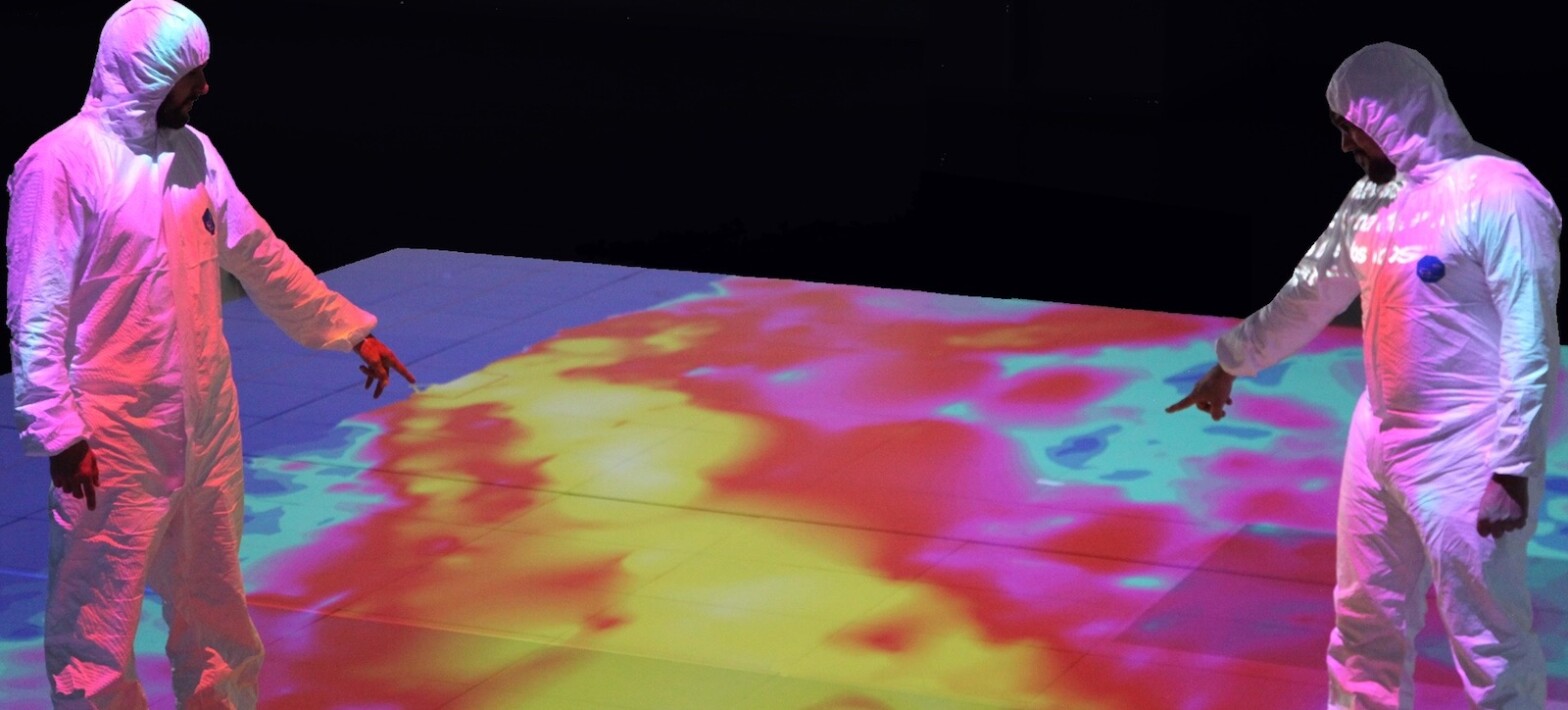
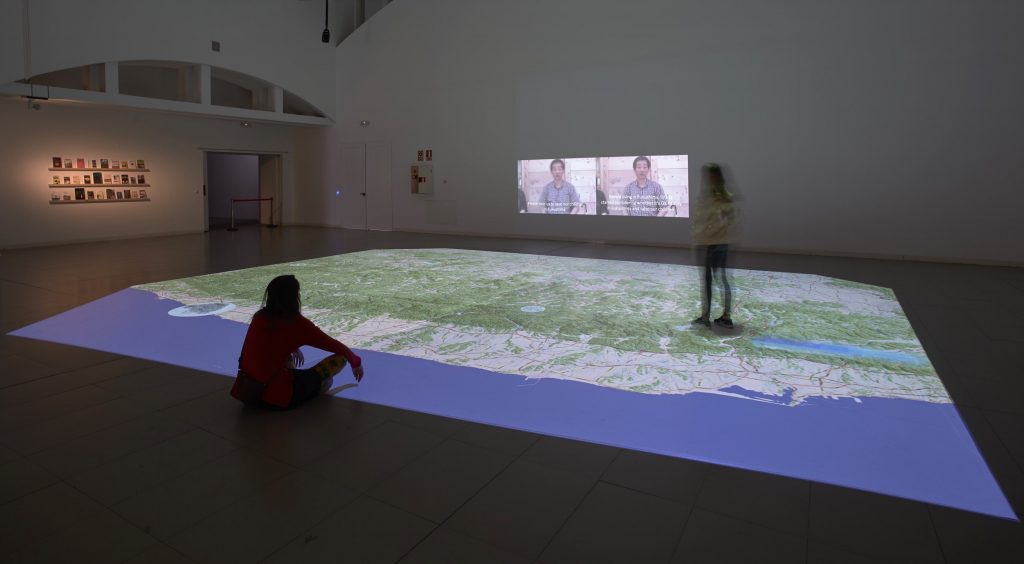
The Zone is an interactive installation that presents, in a didactic way, some elements of the exclusion zone of Fukushima in Japan. It reflects  about the Anthropocene/Capitalocene landscapes of our damaged planet. It takes its name from a real physical space, the exclusion zone established as a consequence of the Fukushima nuclear disaster in Japan.

The exclusion zone is the evacuated area as a result of the maximum level nuclear accident unleashed when the earthquake and the tsunami forces of March 11, 2011, collided with The Fukushima Daiichi nuclear power plant. 160.000 people were forced to leave their homes and workplaces in a matter of minutes when the containment buildings which contain four reactors, began to explode one after another, spreading their invisible radioactive particles into the environment. The area declared uninhabitable for humans comprises a geographical area of 800 square kilometres around the destroyed nuclear power station.

The Zone is also a metaphor that constructs the mythology of the present, warning us against dreams of technological progress turned into nightmares. The project explores the possibilities of art & cartography displays in understanding contemporary environmental disasters.

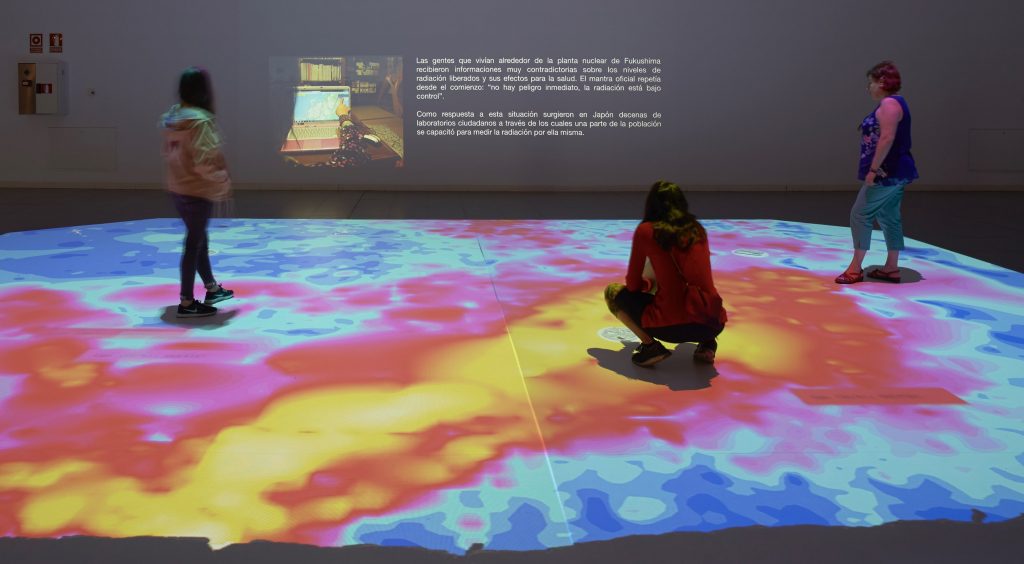
The Zone. Photo by Marcos Morilla, courtesy of LABoral.

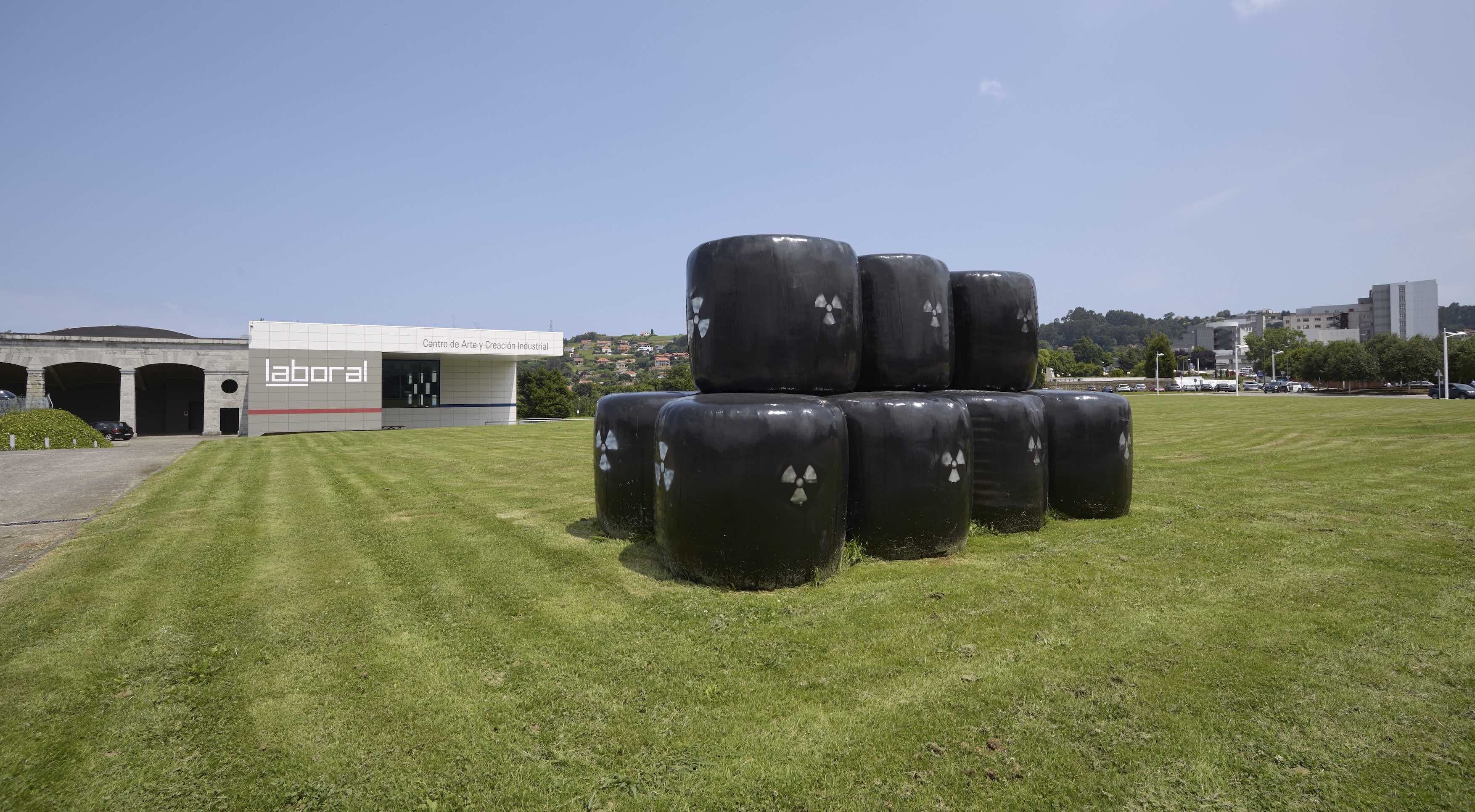
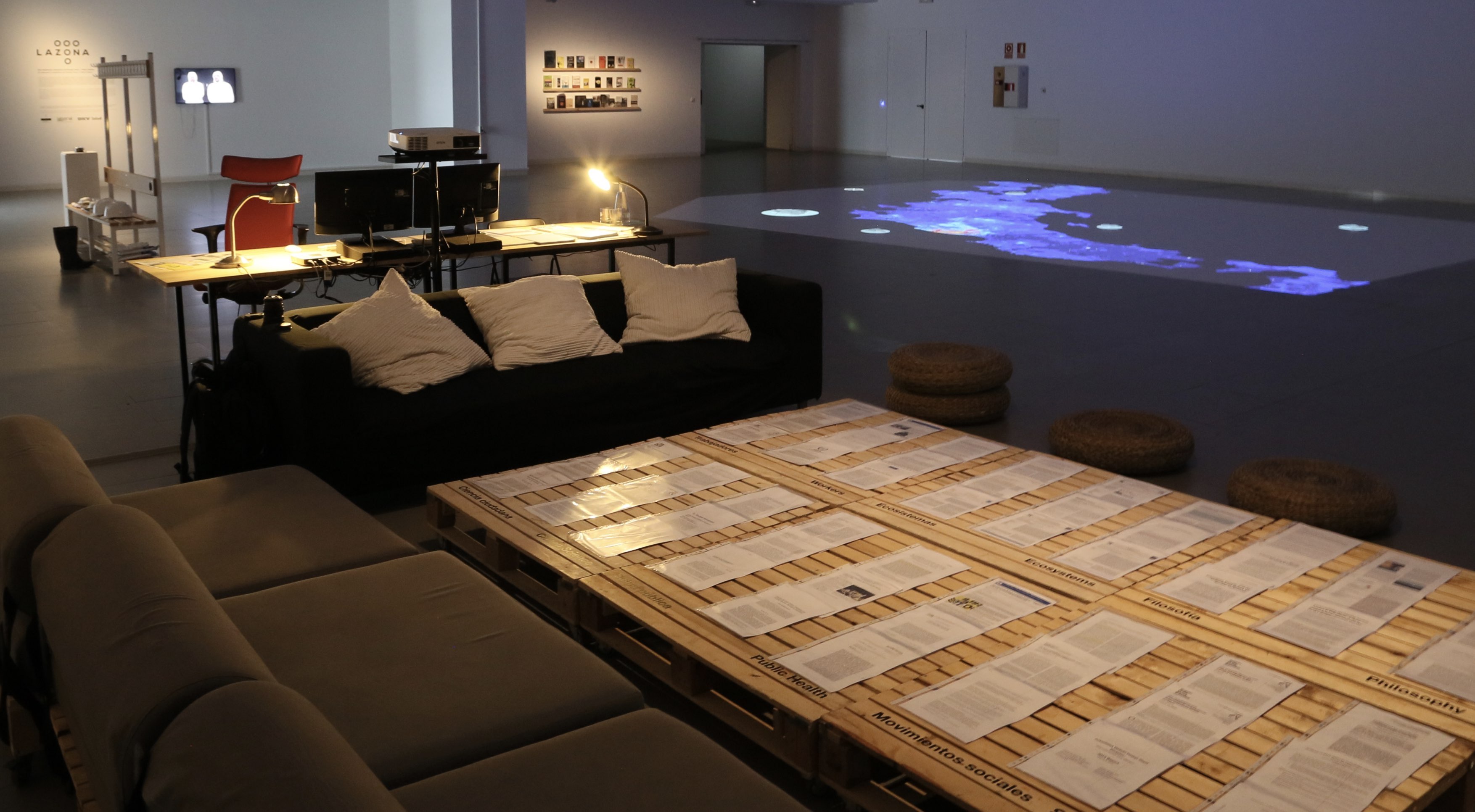
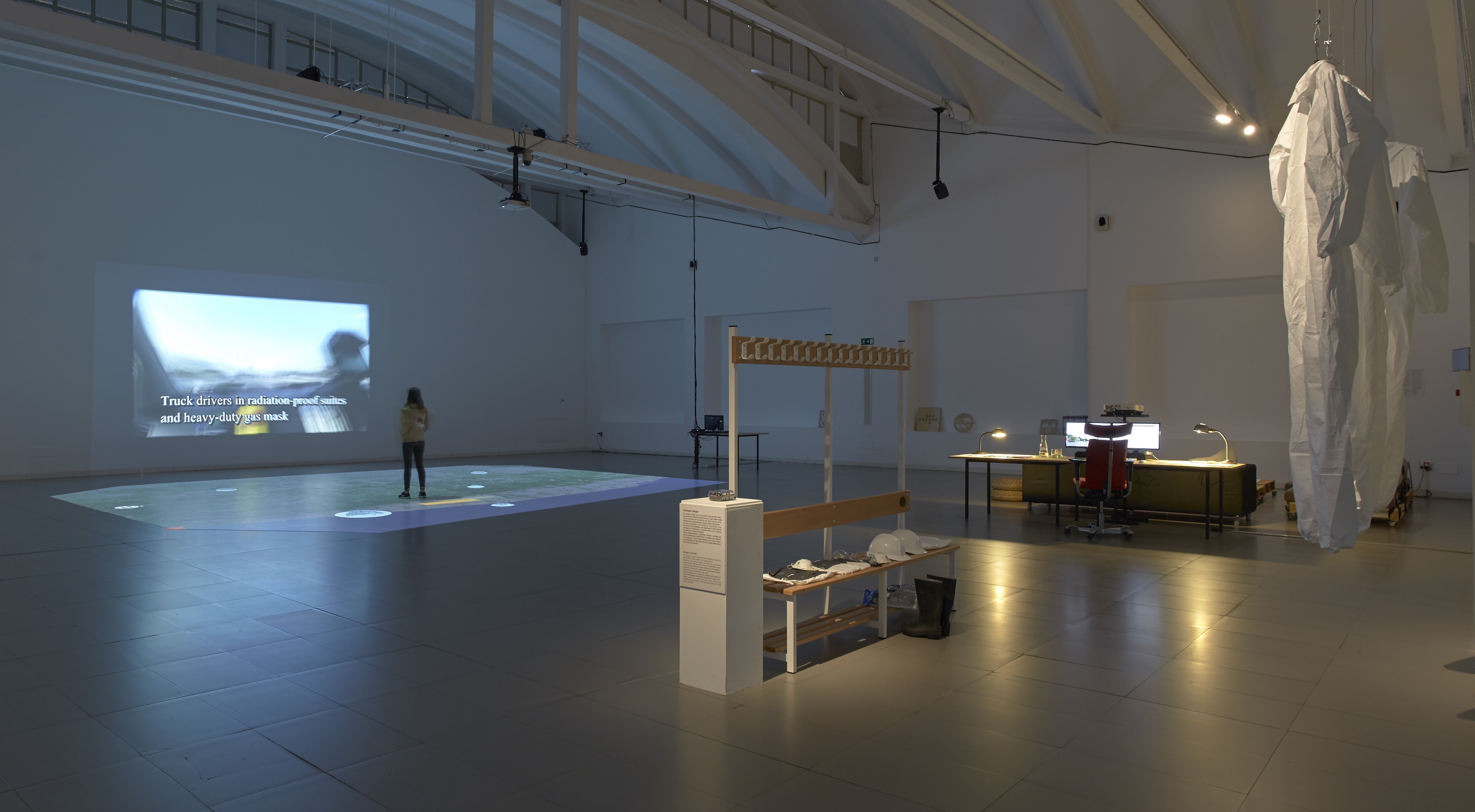
The project consists of four main parts: 1/ an outdoors installation, 2/ an interactive map, 3/ a workers area, 4/ a documentation area.

An outdoors installation occupy the public space at the entrance of LABoral Art Center. It consists of a deposit of radioactive bags evoking the storage facilities for contaminated soil from the nuclear crisis spread over all the ridges of Fukushima prefecture.

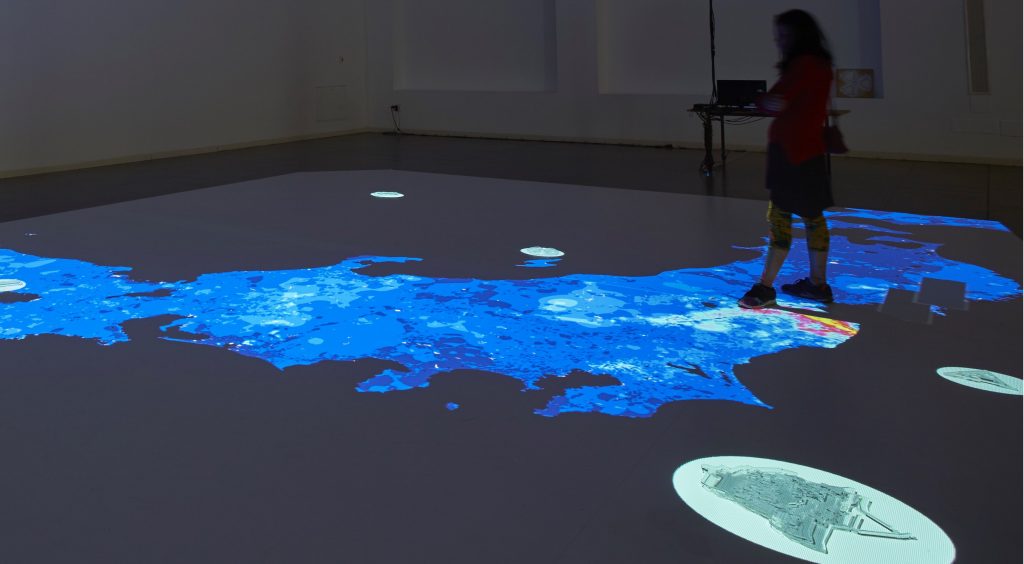
The main piece is an 80 square metres interactive map. The map is projected on the floor allowing the visitors to walk on the top of it. Five digitally fabricated objects on its surface, when approached by the visitor, activate a specific story. These stories include 1/ the earthquake and tsunami, 2/ the multiple nuclear reactor meltdowns, 3/ the evacuation of the population, 4/ the first journalist to get into the Exclusion Zone, and 5/ the citizen science as a response to the radiological disaster.

The workers’ area is a tribute to the thousands of workers, mostly subcontract ones, who enter Fukushima Daiichi Nuclear Power Plant everyday or work in the decontamination brigades. It includes a Geiger Counter developed by Safecast, a citizen science community established in Japan as a response to the nuclear disaster.

The documentation area includes books, reports, photos and academic papers on the Fukushima Daiichi nuclear disaster. It additionally includes resources from primary sources collected in Japan between November 2011 and February 2012. Selected Academic Papers are organised into six main categories: Social Movements, Citizen Science, Philosophy, Ecosystems, Activism, Workers and Public Health.